Brioche Buns (Soft Homemade Burger Buns)
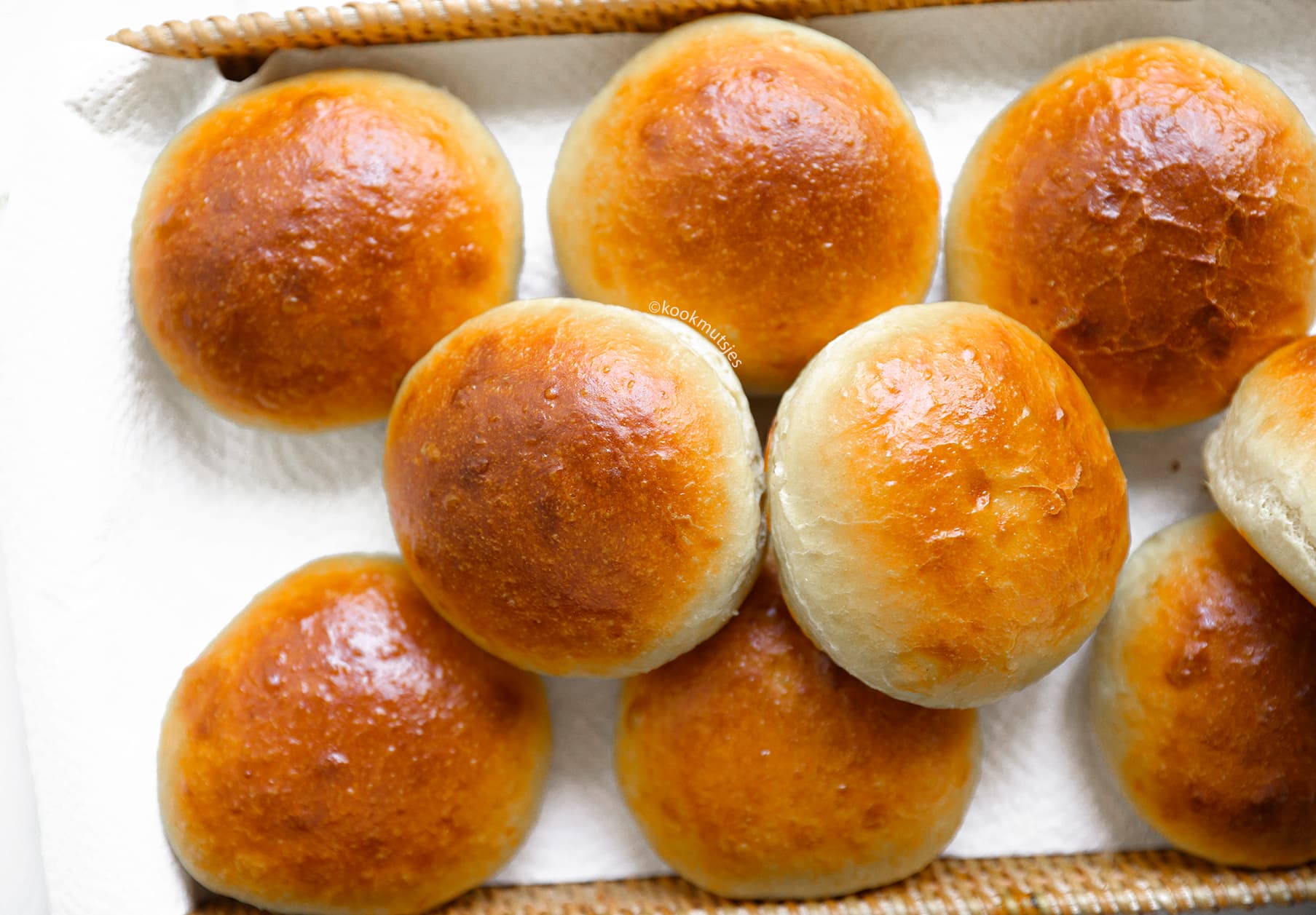

This brioche bun recipe makes the softest homemade burger buns: rich, buttery and golden on top. They hold up to a juicy burger but still melt in your mouth. Try them as sliders with our homemade Dave’s Hot Chicken for a copycat meal that beats waiting in line!
Heb je dit recept gemaakt? Laat ons weten wat je ervan vond
What Makes Brioche Buns Different from Regular Burger Buns?
Brioche buns are naturally soft, fluffy and slightly sweet. The eggs, milk and butter in the dough are a big part of that, but they’re not the whole story. The rise time and the way you shape the buns make just as much of a difference. That’s why these homemade brioche buns are richer and softer than a classic hamburger bun, and why they make the best brioche buns for burgers.
Prefer a simpler bun without butter? Try my triple burger buns or my easy Big Mac buns.


How to Make Brioche Buns
Use room-temperature butter. The butter should be soft so it blends evenly into the dough. Cold butter stays in lumps and makes the dough uneven.
Use lukewarm milk. The milk should be 85–95 °F (30–35 °C). Milk that’s too hot deactivates the yeast, and milk that’s too cool keeps it from activating.
Use a stand mixer. Brioche dough is very sticky at first and needs a long knead. A stand mixer with a dough hook is the easiest way to get it right. You can knead by hand, but it takes longer and it’s a real workout for your arms. Not that bad, if you’re not planning to hit the gym.
Keep the air in the dough. Be gentle when dividing and shaping, so you don’t press all the air out of the risen dough. The step-by-step photos show how to shape the buns.
Take Your Time with the Rise
Brioche needs time. How long it takes to rise depends on how warm your kitchen is. It can take noticeably longer than the hour in the recipe when the kitchen is on the colder side. Go by whether the dough has doubled in size, not by the clock. Always keep the dough, and later the shaped buns, well covered, so moisture and warmth stay in and the buns don’t form a dry, hard crust.
How to Keep Your Brioche Buns Soft
As soon as the buns come out of the oven, transfer them to a wire rack or plate and cover them loosely with a clean dish towel. This keeps the crust soft without making the buns soggy.
Make ahead & storage
Make ahead
You can make the brioche dough a day ahead. Cover it and let it rise overnight in the refrigerator.Storage
Room temperature: Store the cooled brioche buns in a sealed bag or airtight container. They’ll stay soft for about 2–3 days.Refrigerator: Avoid storing them in the fridge, as it makes them dry out faster.
Freezer: Freeze the buns in airtight packaging. They’ll keep well for about 2–3 months.
Reheating
Warm the brioche buns for a few minutes in an oven preheated to 300 °F (150 °C). Cover them with aluminum foil to keep them from drying out.Make ahead & storage
Make ahead
You can make the brioche dough a day ahead. Cover it and let it rise overnight in the refrigerator.Storage
Room temperature: Store the cooled brioche buns in a sealed bag or airtight container. They’ll stay soft for about 2–3 days.Refrigerator: Avoid storing them in the fridge, as it makes them dry out faster.
Freezer: Freeze the buns in airtight packaging. They’ll keep well for about 2–3 months.
Reheating
Warm the brioche buns for a few minutes in an oven preheated to 300 °F (150 °C). Cover them with aluminum foil to keep them from drying out.Ingredients
DOUGH
brushing
Tips
Make sure the butter is soft before you add it to the dough.
Use lukewarm milk, about 85–95 °F (30–35 °C). Milk that’s too hot can deactivate the yeast.
A stand mixer with a dough hook makes it much easier to knead the dough long enough.
You can replace the sugar with honey.
Instructions
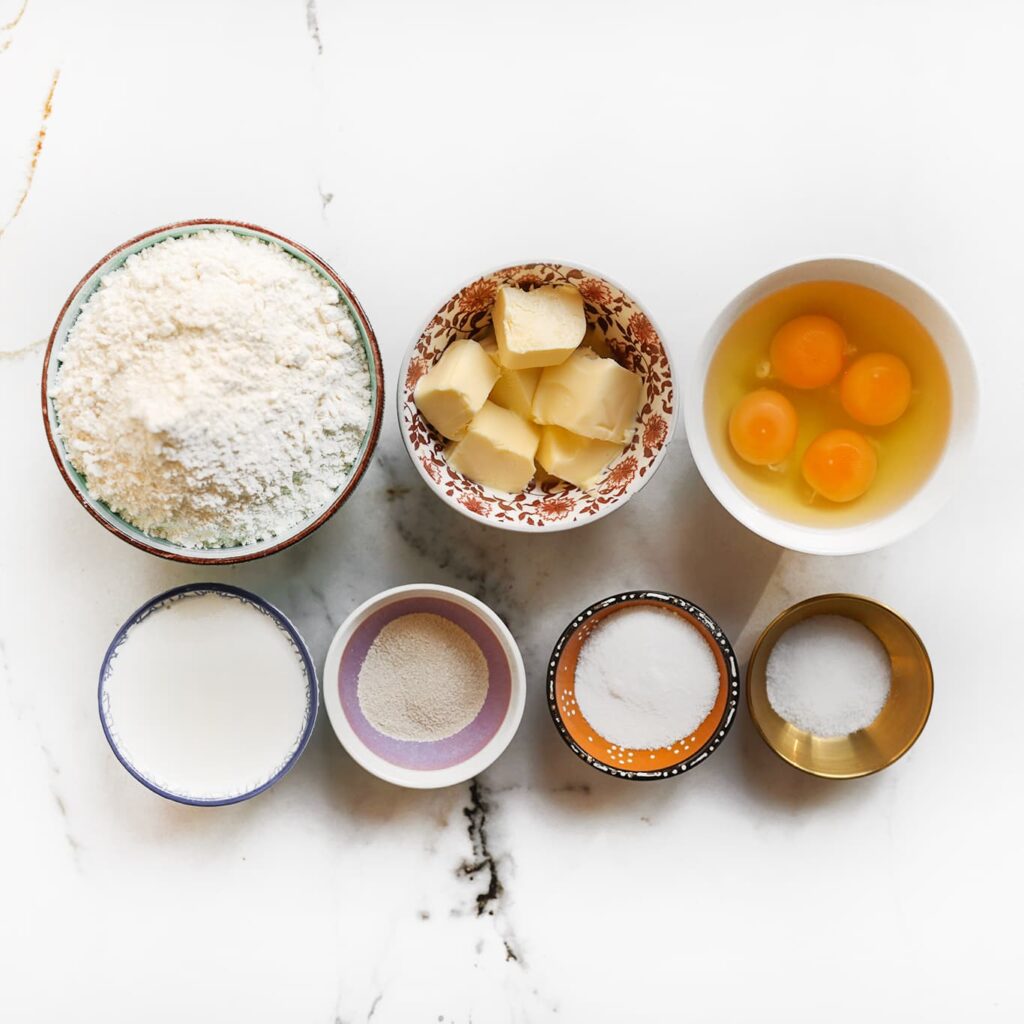
Prepare all the ingredients.
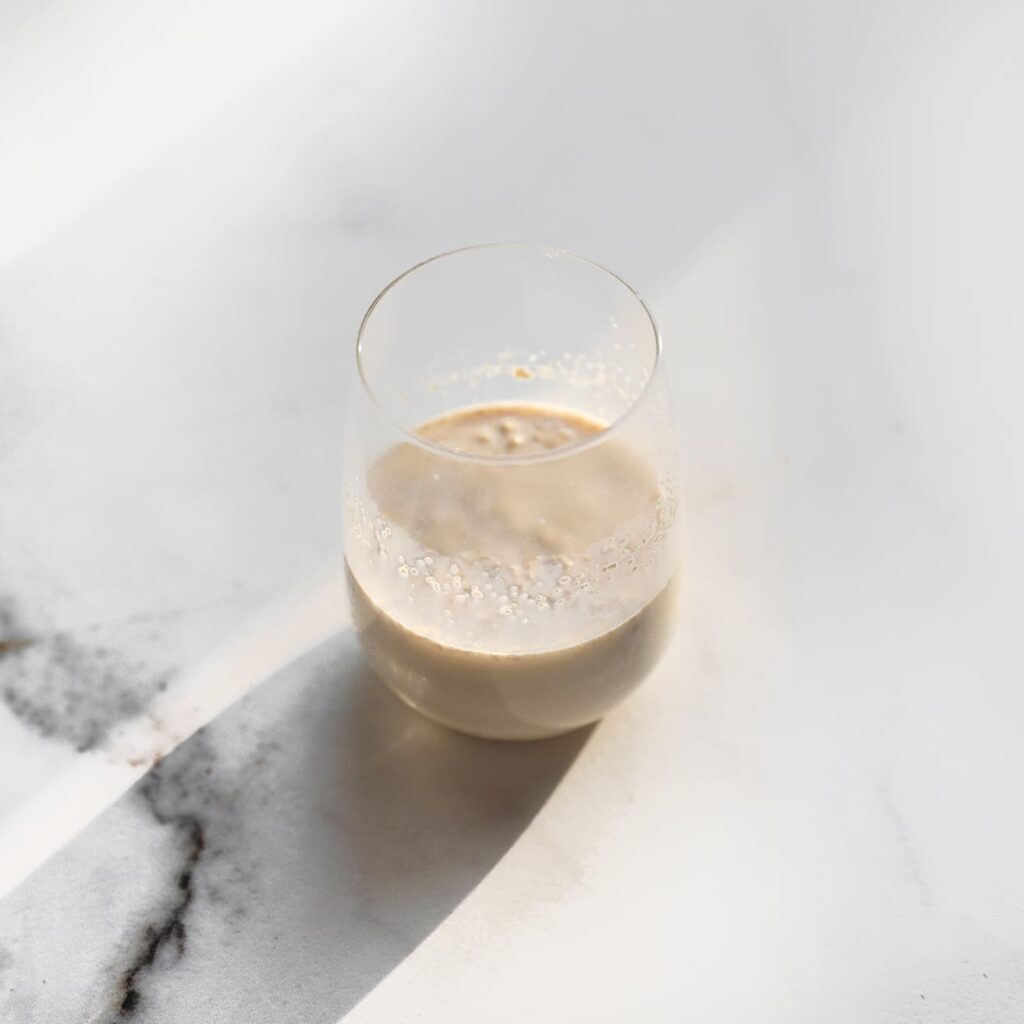
In a small bowl, stir together the lukewarm milk, sugar and yeast. Let it sit for 5 minutes until slightly foamy.

In the bowl of a stand mixer, whisk the eggs, then add the milk mixture and mix well.
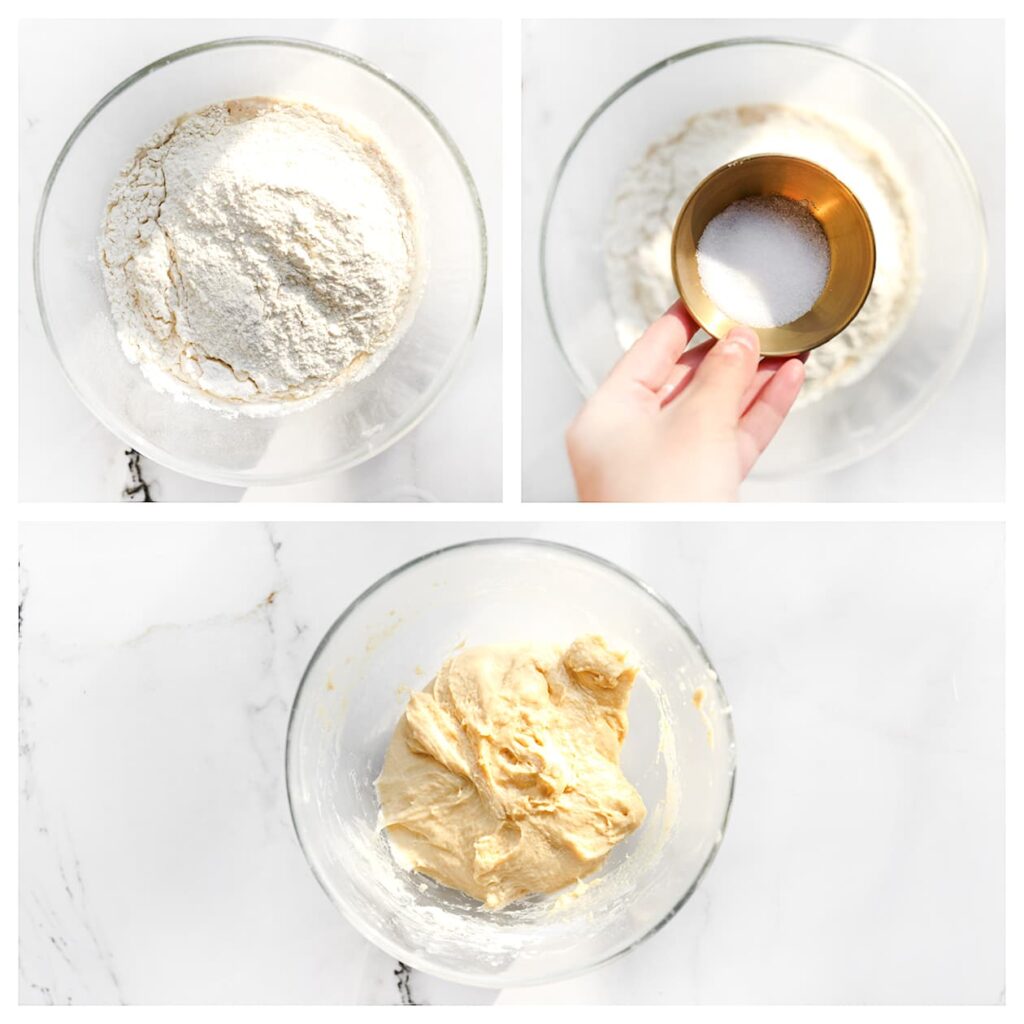
Add the flour and salt. Using the dough hook, knead on medium-low speed for 10 minutes until smooth.
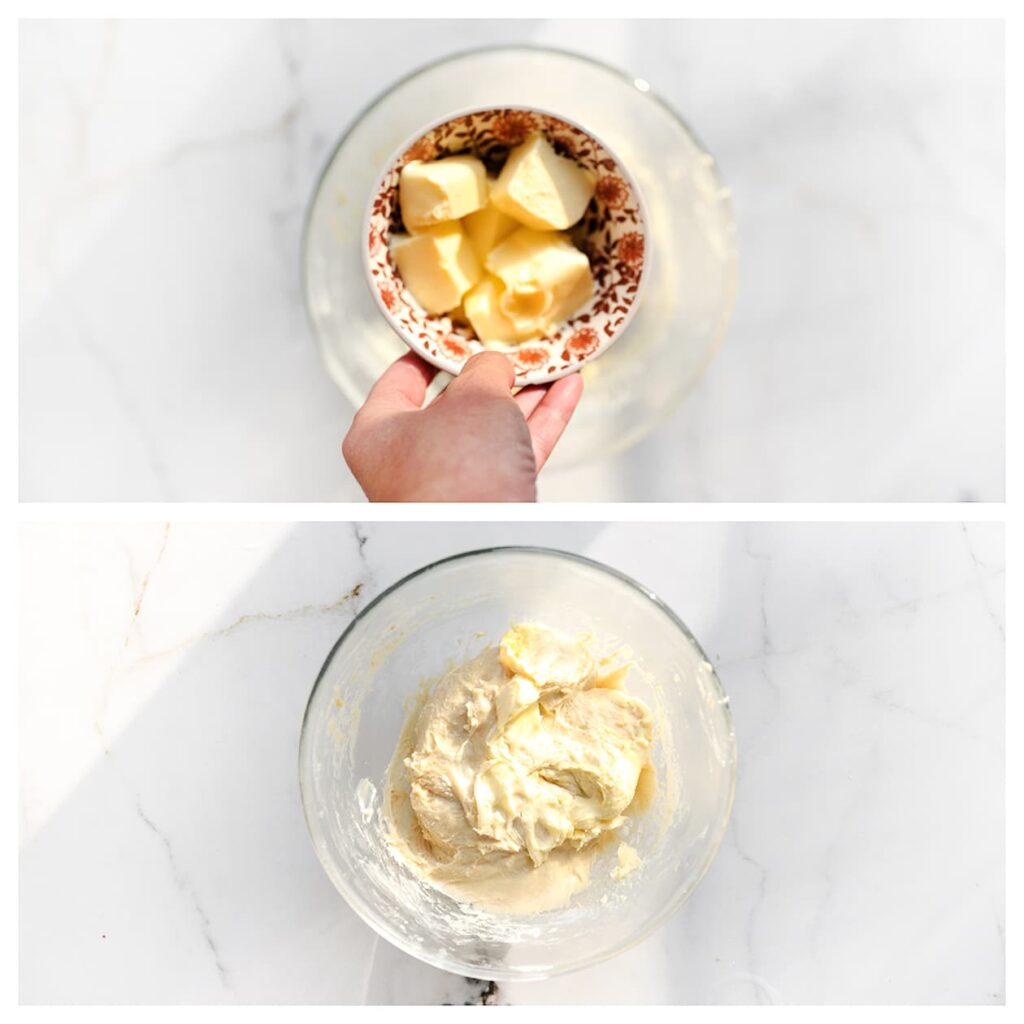
Add the softened butter a little at a time and knead for another 10 minutes. The dough will be very sticky at first, but it turns smooth and elastic as it kneads. It’s ready when it no longer sticks to your finger when you touch it.
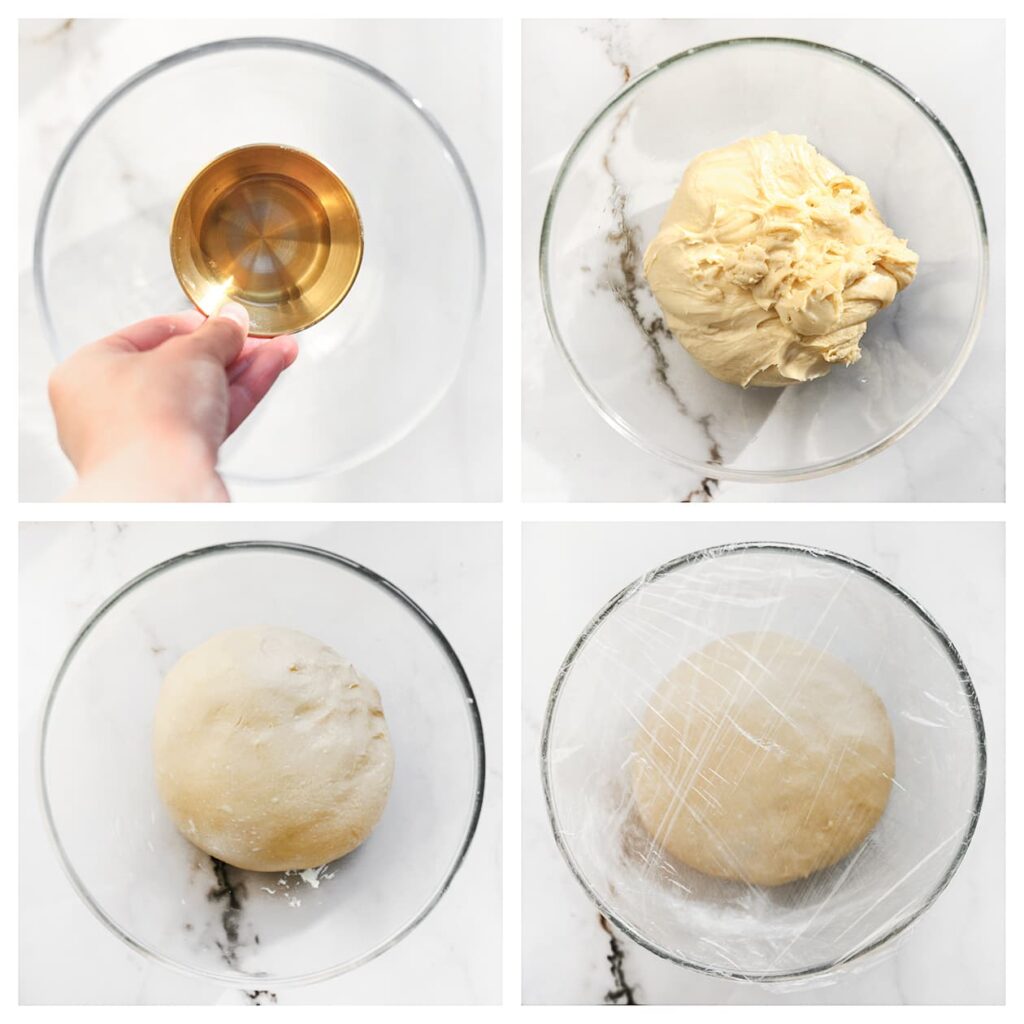
Lightly grease a large bowl with oil and place the dough inside. Cover with plastic wrap or a clean kitchen towel. Let it rise in a warm spot for about 1 hour, or until doubled in size.
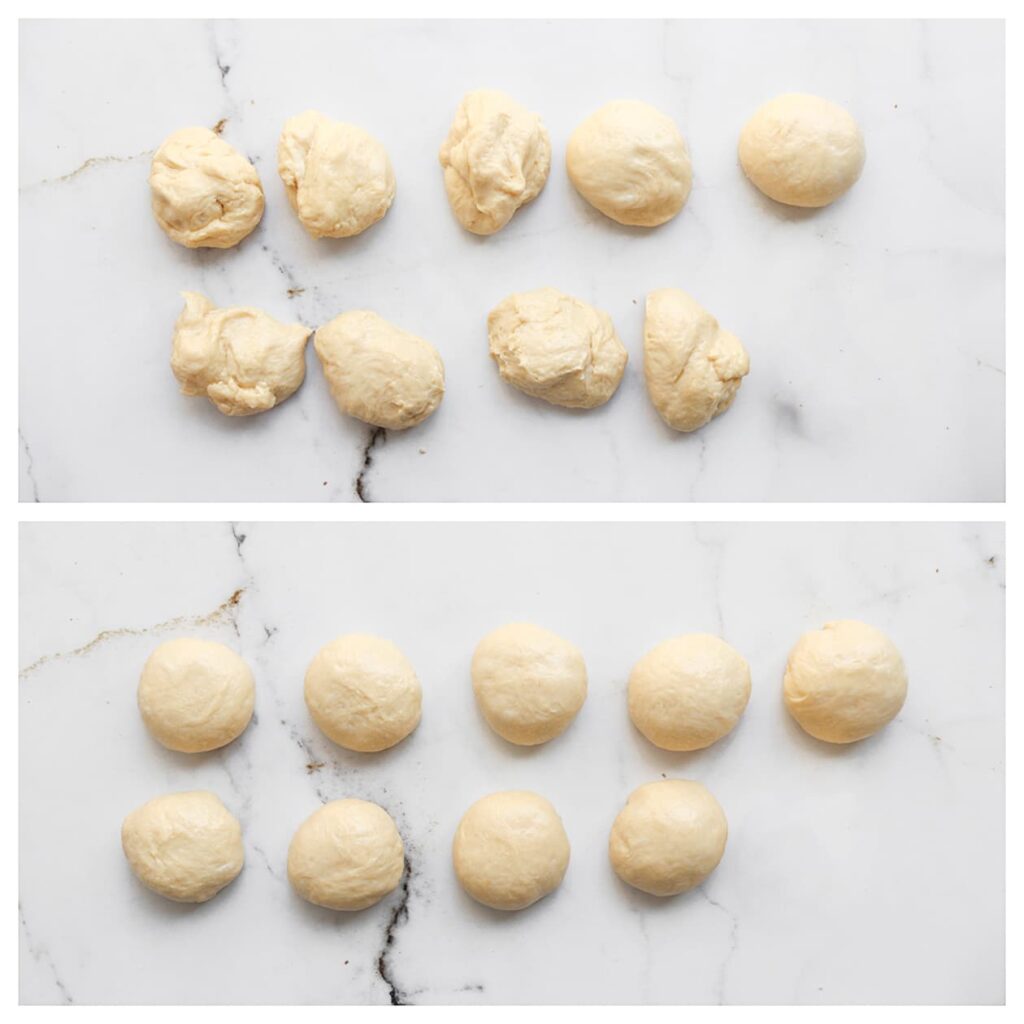
Divide the dough into 9 equal pieces (about 4 oz / 115 g each) and roll them into balls. Tip: brioche dough is soft and can be tricky to shape. Let the pieces rest for 15 minutes first, and they’ll firm up and be much easier to work with.
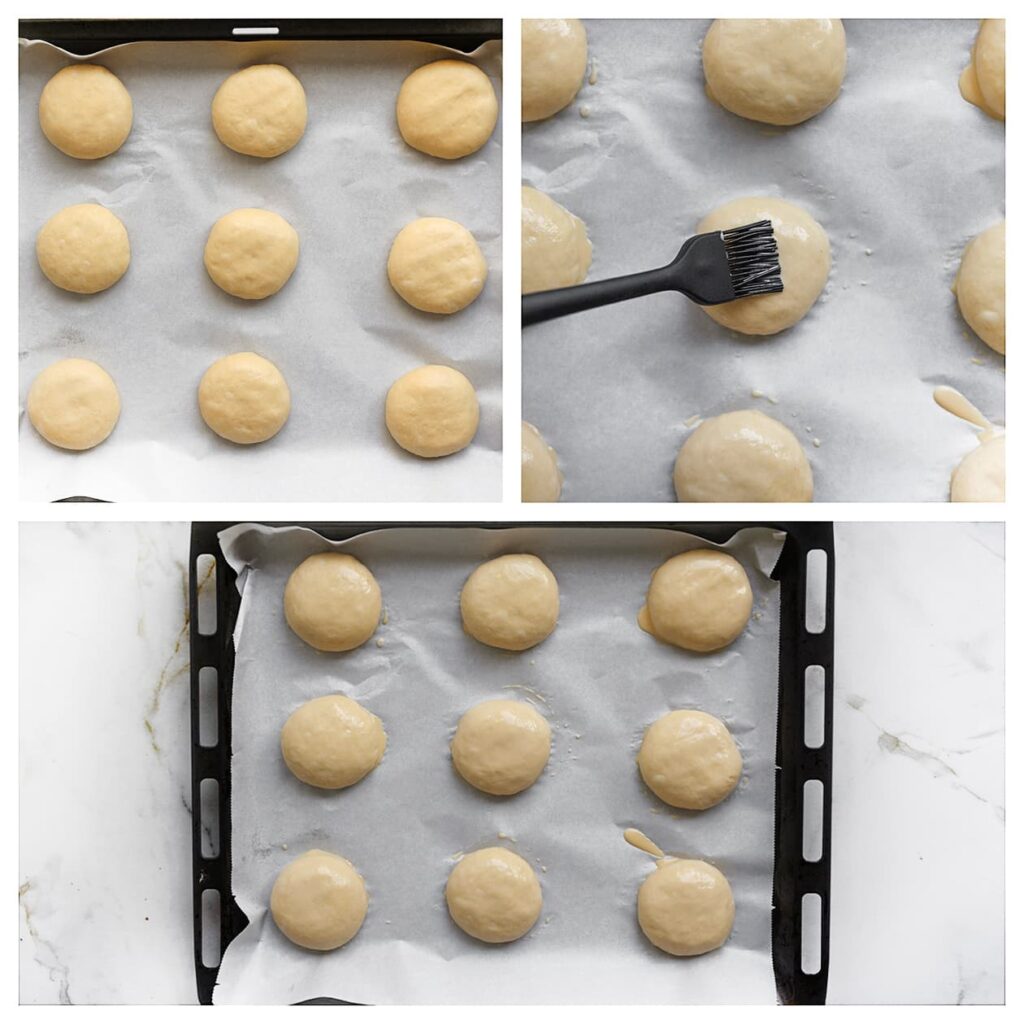
Place the dough balls on a parchment-lined baking sheet and gently press them a little flatter. Cover and let them rise in a warm spot for about 30 minutes, until visibly doubled.
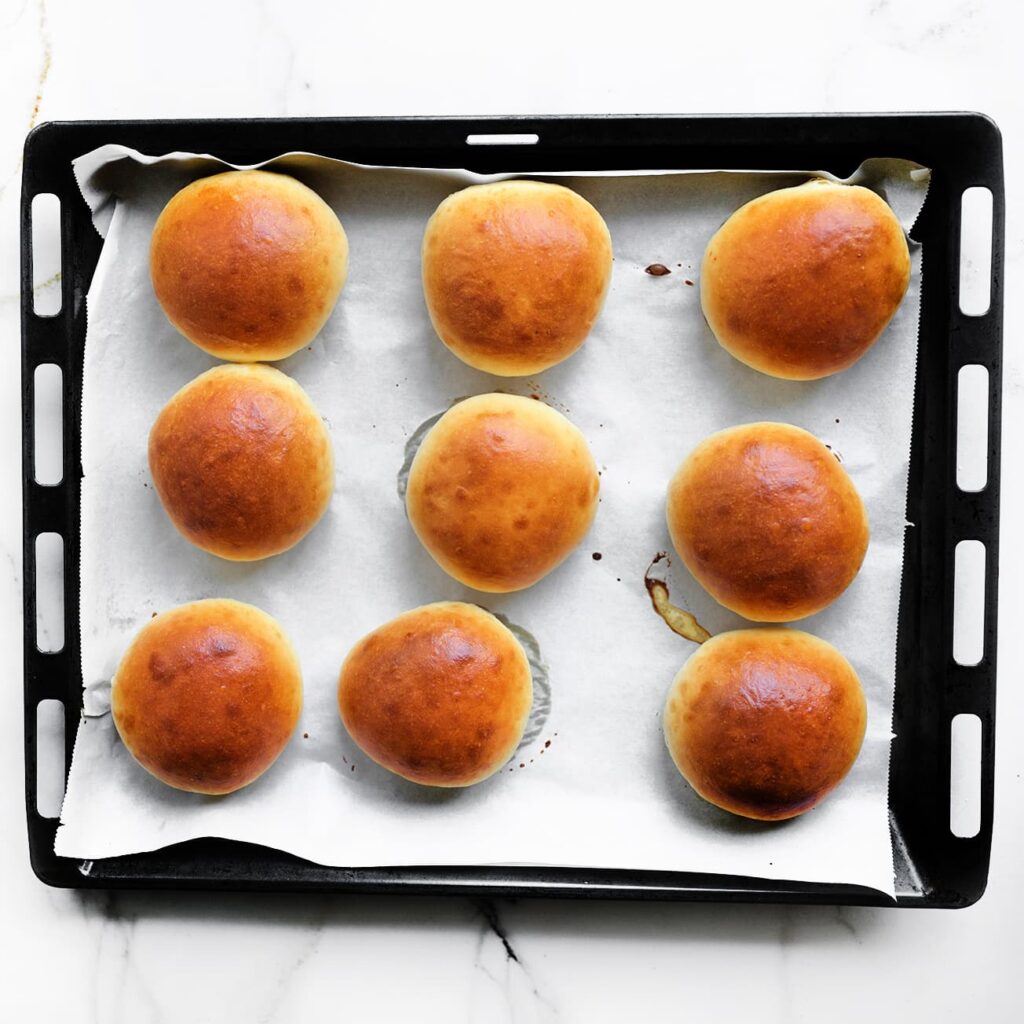
Preheat your oven to 375 °F (190 °C). Whisk the egg with the milk and gently brush it over the risen buns.
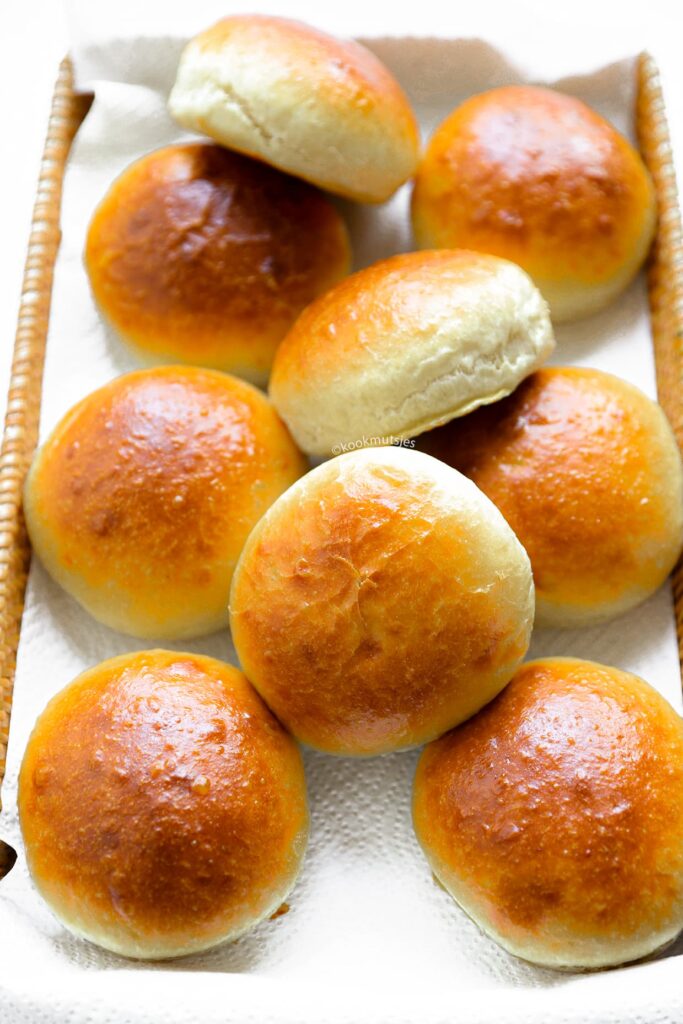
Bake for 12–15 minutes, until deep golden brown and cooked through (an instant-read thermometer should read about 190 °F in the center). As soon as the buns come out of the oven, cover them with a clean kitchen towel. The trapped steam keeps them soft.
Related recipes



Brioche Buns (Soft Homemade Burger Buns)
Ingredients
| Instructions
|
0 Comments